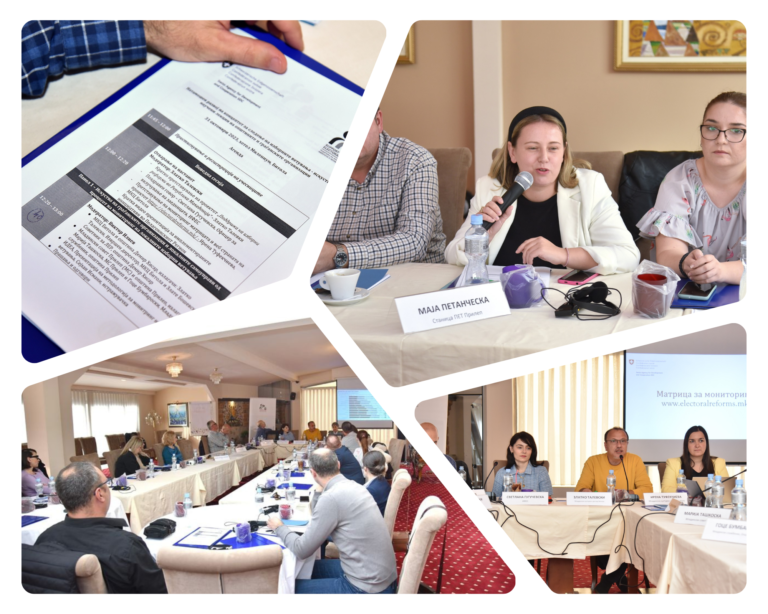
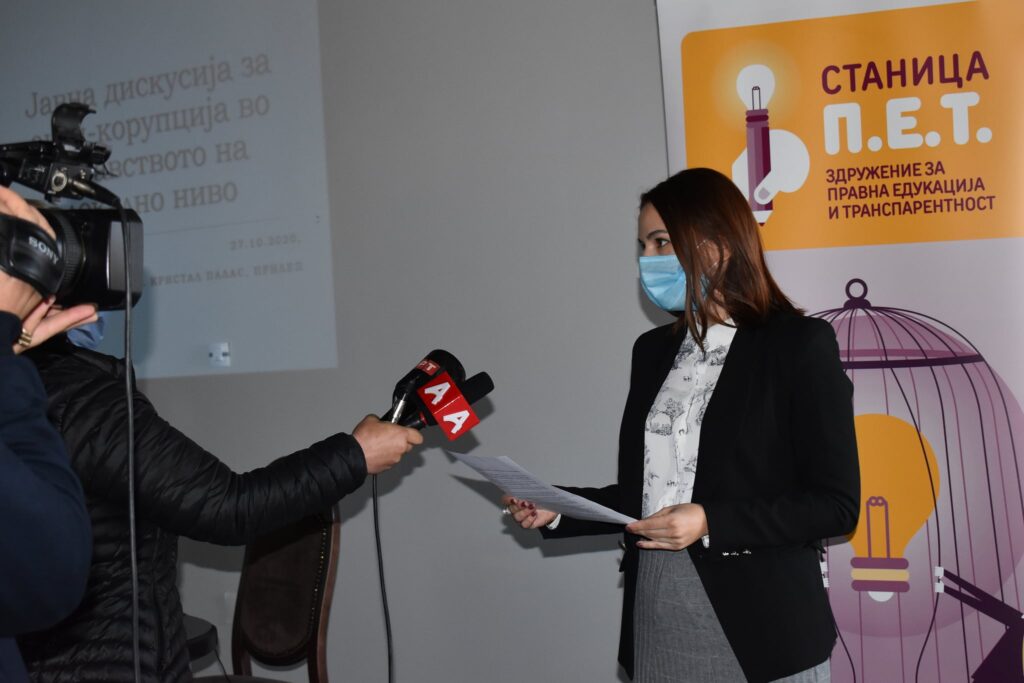
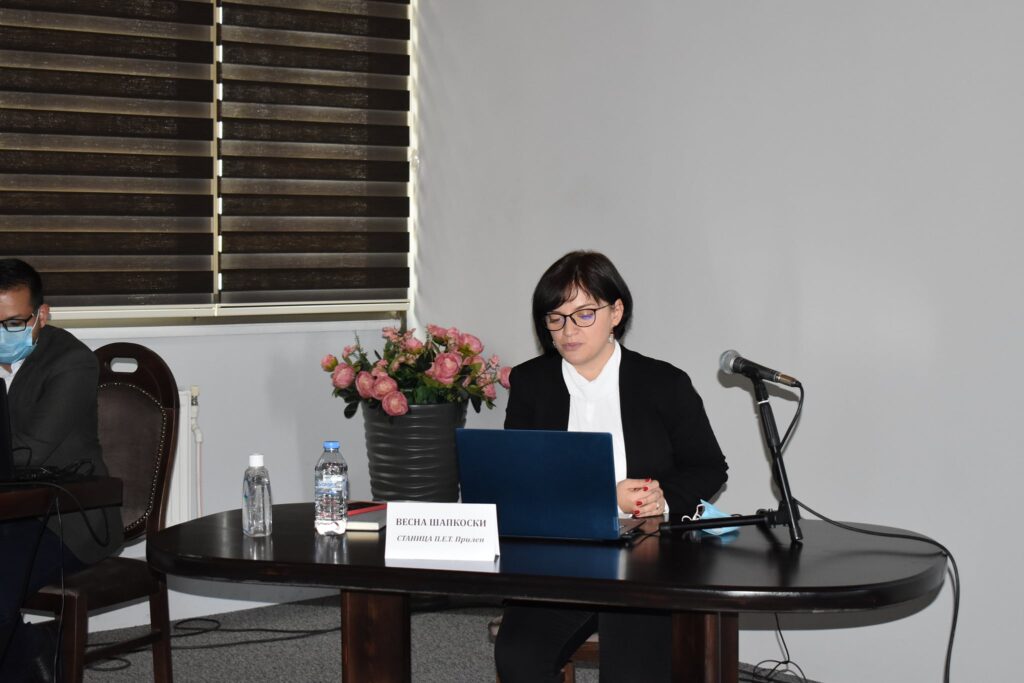
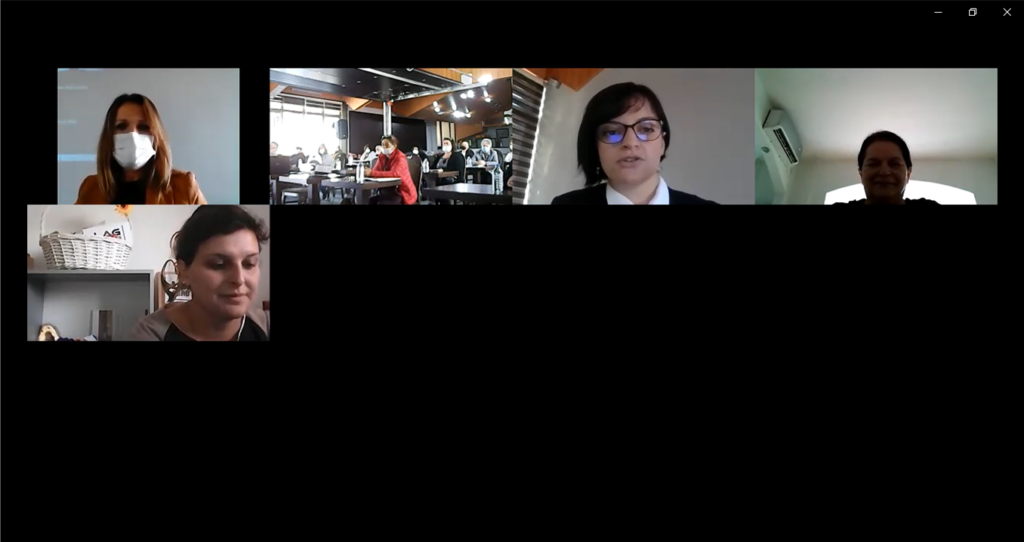
Association for Legal Education and Transparency LET STATION from Prilep on 27.10.2020, in h. Kristal Palas organized a public discussion within the project: „Anti-corruption in health through the prism of field work”, which is implemented in the period November 2019 – October 2020, and the main goal is to sensitize public health institutions for greater accountability and transparency in the implementation of public procurement, tailored to the needs of patients.
The purpose of this activity was presentation and discussion of the problems identified by the implementation of desktop analysis on how to conduct public procurement and conversations with patients who were users of PHI General hospital Prilep during individual interviews and focus groups held in the past period, which covered 54 citizens from the municipality of Prilep and rural areas.

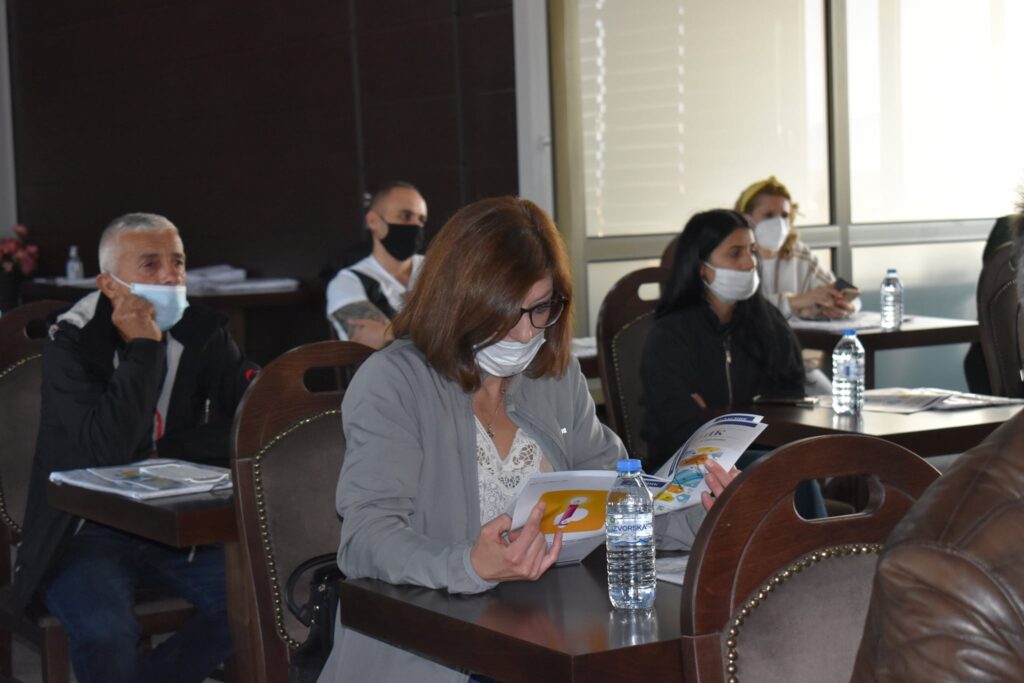
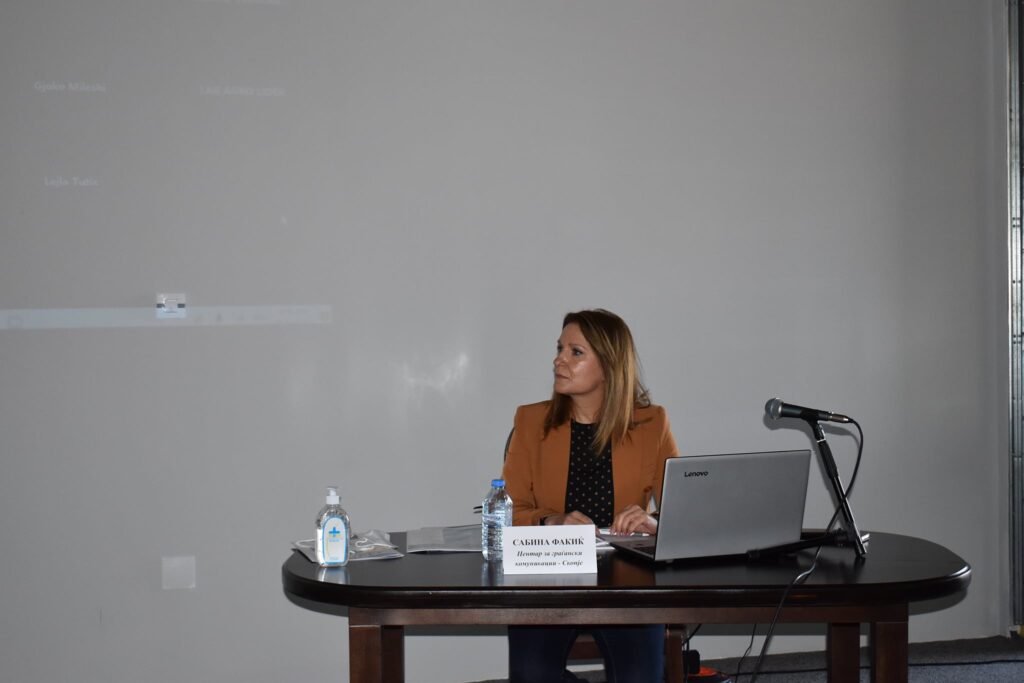
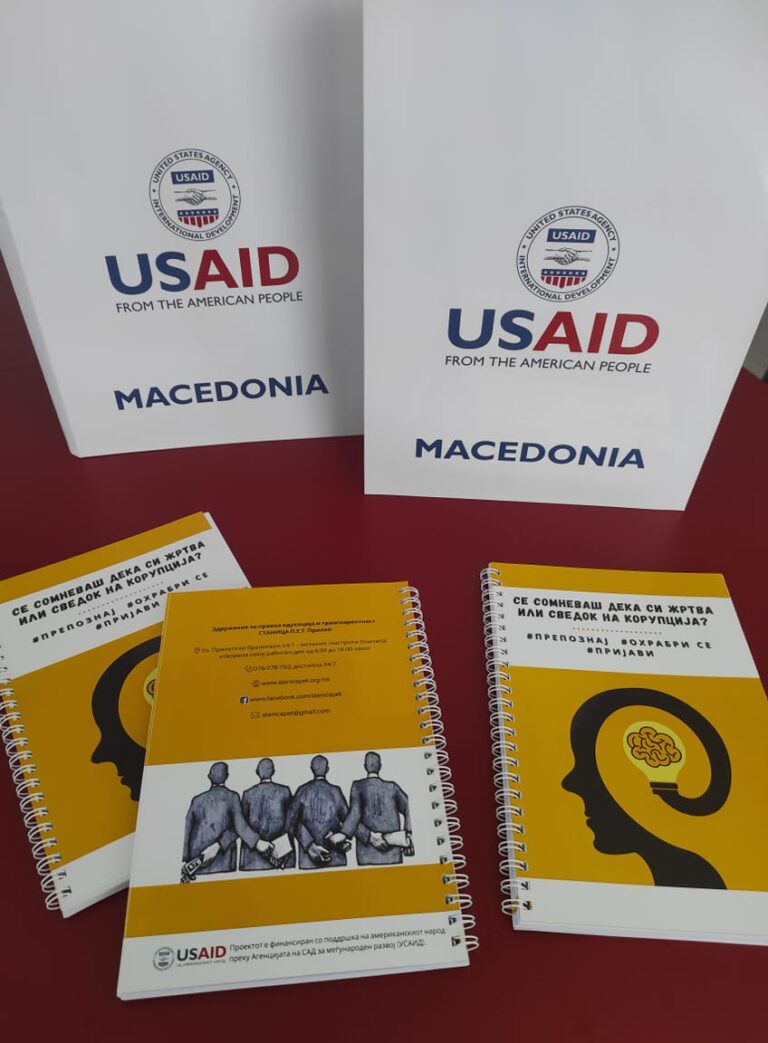
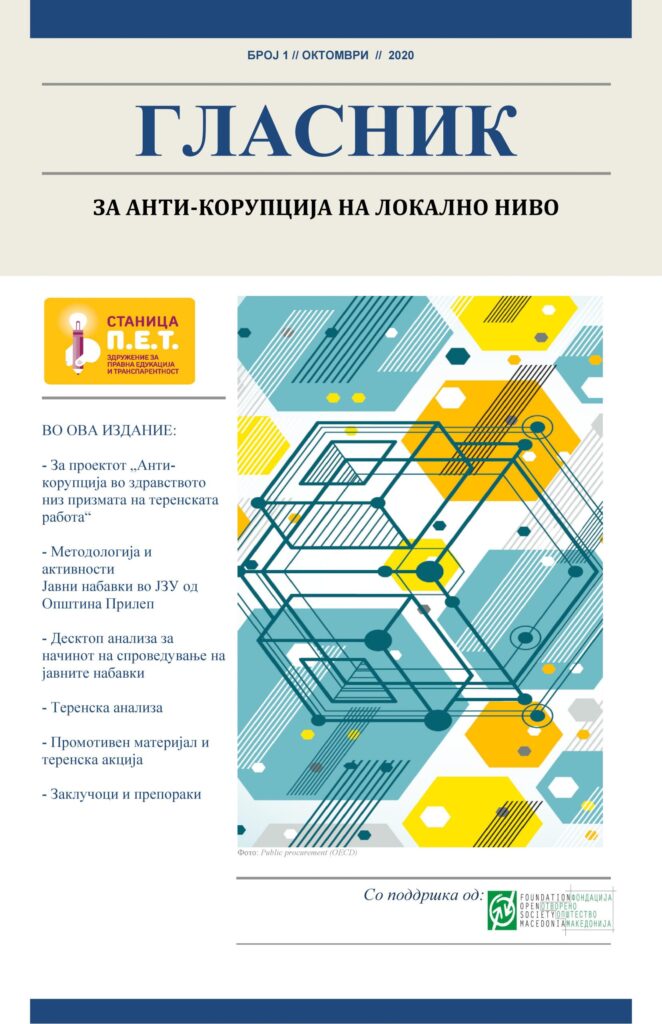
During the final public event, which was attended by 29 citizens of the municipality of Prilep and rural areas, as well as representatives of civil society organizations and institutions were presented the results of the research, fieldwork experiences among patients who were users of the healthcare services provided PHI General Hospital Prilep in 2018/2019 and was promoted the first edition of the Bulletin for anti-corruption at the local level which presents the conclusions and recommendations that emerged from the research.
During the discussion, it was reaffirmed that we all have a responsibility to work and contribute to greater transparency in public procurement, as well as to provide better public services that meet the needs of citizens.
Here are the conclusions summarized and presented in the local anti-corruption bulletin:
- Public procurement planning is accompanied by weaknesses manifested through untimely planning of significant procurements, such as the procurement of medical supplies worth 8.3 million denars in 2018, as well as non-compliance with the time frame and estimated value of the procurement that was noted regarding the tender for procurement of food and food products.
- Weaknesses in the planning can be noticed in the use of the same tender documentation and technical specification for the same type of procurement from year to year. This can be an indication that the implementation of contracts is not monitored, which should be the basis for improving the procurement process. Procurement of the same type of products in the same quantities for years, especially in relation to food products increases the risk of inappropriate procurement that does not meet and does not follow the real needs of patients.
- The competition in the tenders, which was at a relatively solid level, did not result in concluding contracts at favorable prices. Namely, certain food products, such as cheese and meat, are bought at prices that are at the level of retail prices, which is illogical given the large quantities. Procurement at the level of retail prices certainly calls into question the meaning of the conducted public procurement procedure.
- If the value of the contracts for public procurement of food and food products as well as for bread and pastries is put in proportion to the number of required meals in the PHI General Hospital Prilep in 2018, it turns out that daily products available and worth 255 denars. This is a relatively solid amount that certainly leaves space for improving the quality of patients’ menus and their regular and adequate availability.
- Patients are partially satisfied with the services they receive from PHI General Hospital – Prilep. The biggest problems they pointed out are: poor hygiene, inadequate nutrition (insufficient and unsuitable for patients’ diagnosis, poor quality and insufficient quantity), lack of magnetic resonance imaging, for which they are forced to travel to Bitola to receive the appropriate service, lack of therapy, which in many situations patients procure themselves, etc.
- Patients have problems with the poor attitude of the medical staff, which in addition to the patient’s pain, should be psychologically burdened with unnecessary comments.
- According to patients, the food they receive does not correspond to the diagnosis, there is no different diet – for different diseases, and almost all bedridden patients were told to bring utensils from home. It was often the case that family members were told to bring food for the patient from home because the one on the menu was not appropriate for his / her condition.
- Hygiene is relatively satisfactory, with differences depending on the ward (best – eye department and gynecology, worst – orthopedics, infectious). Most often patients complain of old and worn-out bedding, sheets, poor hygiene in the toilets. In many cases, they were forced to bring their own bedding from home because it was not available or had not been washed at the time.
- Patients are relatively satisfied with the use of the equipment in the hospital. They point out that there is a lack of magnetic resonance imaging, which exposes them to additional costs, to travel to other cities, and often puts their health at risk due to the long waiting list for an appointment. In terms of receiving the results, depending on the recording, patients receive the results immediately, digitized – on CD.
- Lying patients often purchase their own therapy, but also various consumables (needles, syringes), especially in the pediatric, internal medicine, urology and gynecology and obstetrics wards.
- Patients are confused about the recognition of medical staff, who do not wear appropriate labels, so patients couldn’t make a difference between doctors, nurses, paramedics and hygienists.
- All patients have heard of cases of corruption, but they do not know whether it happened to them personally or whether they are victims of corrupt behavior.
- There is a practice among patients to “treat” medical staff before or after delivery, which is typical of some health services (such as surgery or childbirth), though not all. The patients who did this emphasized that they were not explicitly asked to do so, but that they had heard that it was a practice, so they were uncomfortable not to do so.
- Patients believe that if doctors are paid enough, are not under pressure (because one doctor currently works for three) and new doctors are hired, the provision of health services will be significantly improved.
The public discussion was promoted on the following local and national media too:
You can find the full version of the Bulletin for anti-corruption at the local level, on the following link.
The project: “Anti-corruption in health and education at the local level” is part of the initiative: “Reducing corruption in health and education at the local level” implemented by the Association for Legal Education and Transparency LET STATION from Prilep, Center for Civil Communications and Community Center of the Municipality of Struga, with financial support of the Foundation Open Society Macedonia.